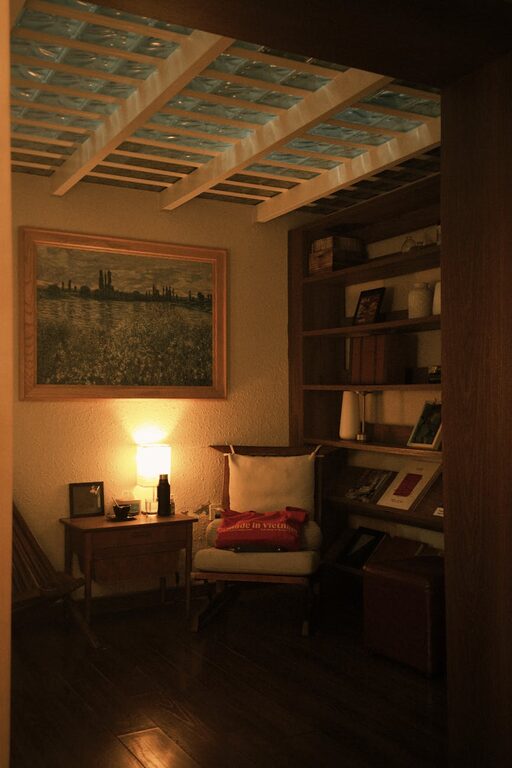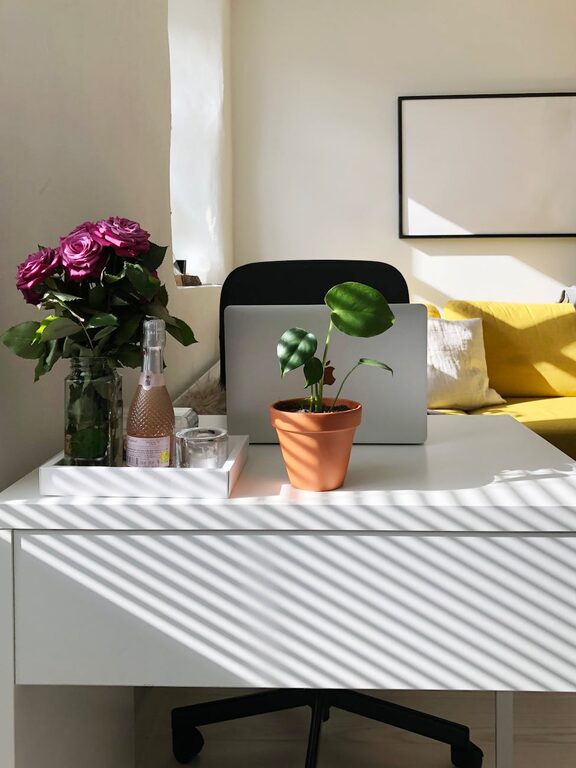
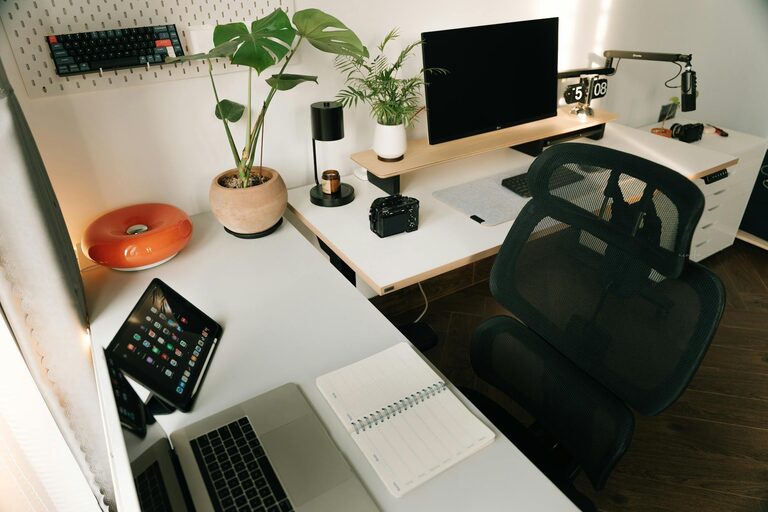
Creating a productive home workspace is essential for anyone working or studying from home. A well-organized and thoughtfully designed area can enhance focus, reduce distractions, and improve overall efficiency. Whether you have a dedicated room or just a small corner, these tips will help you build a workspace that supports your best work.
Choose the Right Spot
Finding the ideal location for your workspace is the first step. Consider the following when selecting a spot:
– Natural Light: Position your desk near a window to benefit from natural light. It helps reduce eye strain and boosts mood.
– Quiet Area: Choose a place with minimal noise and interruptions to maintain concentration.
– Space Availability: Ensure there’s enough room for your desk, chair, and any necessary supplies.
– Ventilation: A well-ventilated space keeps you comfortable throughout the day.
If you don’t have a separate room, a corner in the living room or bedroom with a room divider or screen can create a sense of separation.
Invest in Comfortable Furniture
Comfort plays a significant role in your productivity. Focus on ergonomics to avoid physical strain:
– Ergonomic Chair: Select a chair with good lumbar support and adjustable height.
– Proper Desk Height: Your desk should allow your arms to rest comfortably with elbows at about 90 degrees.
– Footrest: Use a footrest if your feet don’t reach the floor to reduce leg fatigue.
– Monitor at Eye Level: Place your computer screen at eye level to prevent neck pain.
Remember, comfort helps you stay seated longer without discomfort, making work sessions more effective.
Declutter and Organize
A clutter-free workspace reduces distractions and helps your mind stay clear. Use these strategies:
– Minimal Essentials: Keep only what you need daily on your desk.
– Storage Solutions: Use shelves, drawers, and organizers to store supplies.
– Cable Management: Use clips or sleeves to keep cords tidy and out of sight.
– Regular Cleaning: Set a weekly routine to clean and organize your workspace.
An orderly environment can improve focus and make it easier to find important items.
Personalize Your Space Wisely
Adding personal touches can make your workspace inviting, but avoid overdecorating.
– Inspiring Elements: A few motivational quotes, art prints, or plants can boost creativity.
– Adequate Lighting: Include a desk lamp for tasks requiring focused light.
– Color Choices: Soft, neutral colors promote calmness; bright accent colors can energize.
Balance personalization with professionalism, especially if your workspace is visible during virtual meetings.
Optimize Technology Setup
Your tech setup should support your workflow smoothly.
– Reliable Internet: Ensure strong Wi-Fi or wired connection to avoid interruptions.
– Quality Equipment: Invest in a good keyboard, mouse, and headphones for comfort and productivity.
– Multiple Monitors: If feasible, use additional screens for multitasking.
– Backup Options: Keep a power strip and backup storage devices handy.
Organized and efficient tech tools can save time and reduce frustration.
Manage Time and Tasks Effectively
An organized space supports better time management.
– Use Planners or Apps: Keep track of tasks and deadlines digitally or with a physical planner.
– Set Boundaries: Define work hours and breaks to avoid burnout.
– Dedicated Zones: If space allows, have separate areas for different tasks (e.g., computer work versus paperwork).
– Regular Breaks: Follow breaks with small stretches; it keeps energy up and prevents fatigue.
Good habits combined with an organized space lead to sustained productivity.
Maintain Healthy Habits
Your workspace should support your well-being.
– Ergonomic Breaks: Change posture often and take short walks.
– Hydration: Keep water nearby to stay hydrated.
– Healthy Snacks: Avoid sugary snacks that cause energy crashes.
– Greenery: Indoor plants improve air quality and create a calming environment.
Healthy habits contribute strongly to a positive work experience.
Final Thoughts
Organizing a productive home workspace doesn’t require a large budget or fancy equipment. Thoughtful planning, comfortable furnishings, decluttering, and good habits are the foundation. By creating a space that suits your work style and supports focus, you set yourself up for success every day. Start small, make gradual improvements, and enjoy the benefits of a workspace that works for you.