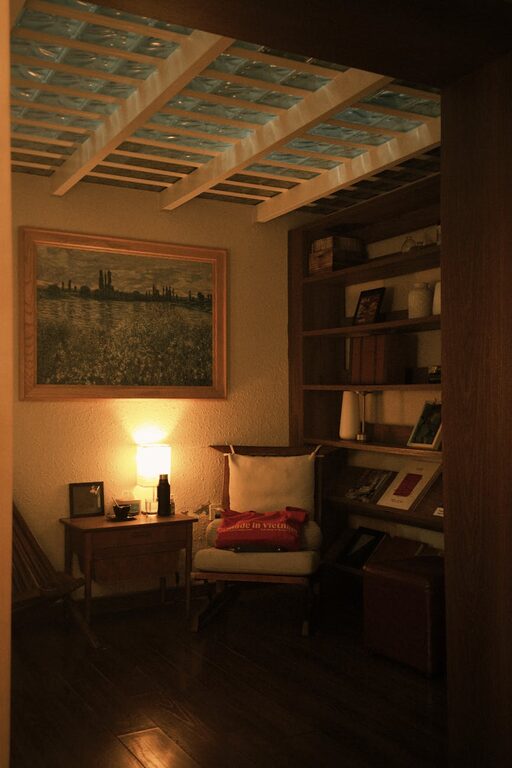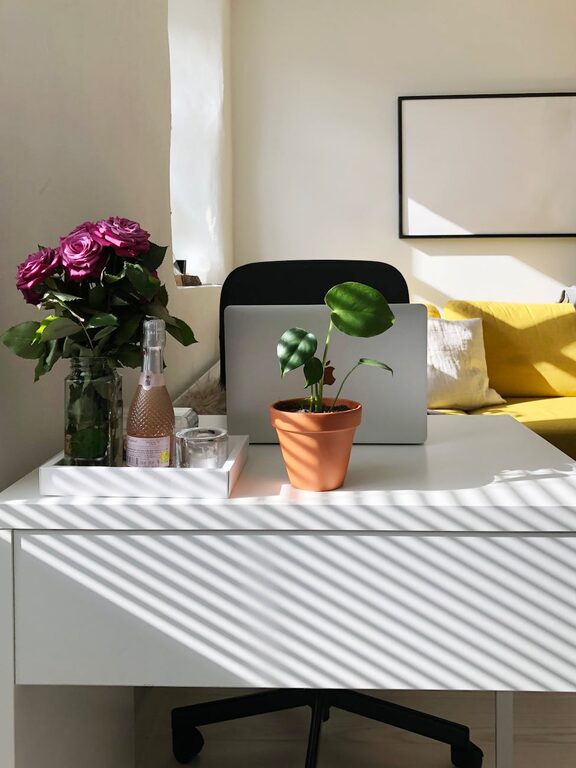
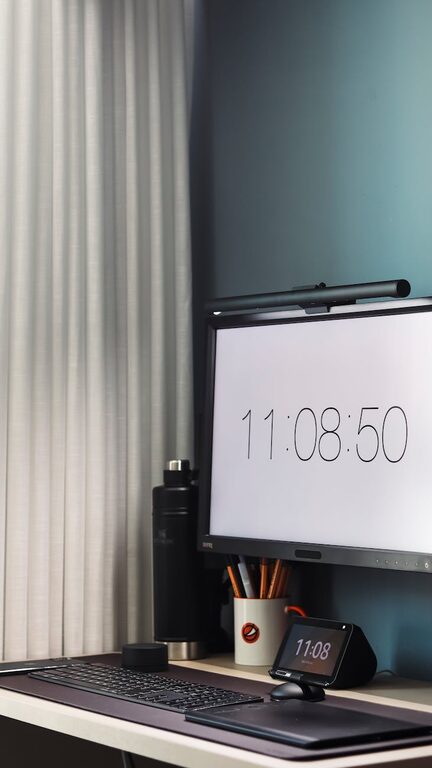
Creating a home workspace that is both clutter-free and efficient can significantly improve your focus and productivity. Whether you work remotely, study, or pursue creative projects at home, a well-organized area helps reduce distractions and makes daily tasks easier to manage. This post shares practical strategies for designing and maintaining a tidy workspace that supports your goals.
Why a Clutter-Free Workspace Matters
A cluttered desk or room can increase stress and make it difficult to find what you need. When your workspace is organized:
– You can focus better without visual distractions.
– Work flows more smoothly with everything in its place.
– Cleaning becomes quicker and less overwhelming.
– You feel more motivated and calm.
Setting up a clutter-free workspace isn’t about perfection—it’s about creating a functional environment tailored to your needs.
Step 1: Choose the Right Location
When selecting a spot for your workspace, consider these factors:
– Natural Light: Position near a window if possible to benefit from daylight.
– Noise Level: Find a quiet area to minimize distractions.
– Space: Make sure the space accommodates your desk, chair, and storage solutions comfortably.
If your workspace must be in a shared room, think about ways to visually separate it using shelving, screens, or rugs.
Step 2: Declutter and Prioritize Essentials
Start by clearing your desk and surrounding area. Sort items into three piles:
- **Keep:** Things you use daily or frequently.
- **Store:** Items you need but don’t use daily.
- **Discard:** Unnecessary papers, broken items, or duplicates.
Only keep essentials within arm’s reach. This reduces clutter but still provides convenient access to what you need.
Step 3: Use Smart Storage Solutions
Storage can make or break an organized space. Some effective options include:
– Drawer Organizers: Separate pens, paper clips, and office supplies.
– Shelves and Bookcases: Store books, notebooks, and decorative items.
– Filing Cabinets or Boxes: Keep important documents neat and easy to retrieve.
– Cable Management: Clips and sleeves can prevent cords from tangling.
Labeling storage containers helps keep the system consistent and makes it easier to find or put away items.
Step 4: Optimize Your Desk Setup
An efficient desk arrangement improves comfort and workflow:
– Ergonomic Chair: Supports good posture during long working hours.
– Monitor Placement: Keep it at eye level to avoid neck strain.
– Keyboard and Mouse Position: Close enough to reduce unnecessary reaching.
– Clear Surface: Leave plenty of desk space free for writing and working.
Consider using a desk organizer tray for daily essentials and a separate space for less frequently used supplies.
Step 5: Establish a Regular Cleaning Routine
Maintaining clutter-free surroundings requires ongoing effort:
– Daily: Spend 5 minutes at the end of each day tidying desktop surfaces and putting things away.
– Weekly: Dust surfaces, vacuum the floor, and organize paperwork.
– Monthly: Re-evaluate your storage needs and remove unused items.
Setting reminders can help you stick to these habits without overwhelm.
Step 6: Personalize Your Space Thoughtfully
Adding personal touches can make your workspace inviting but avoid over-decorating:
– Use one or two small “feel-good” items, such as a plant or meaningful photo.
– Choose calming colors or artwork that inspires you.
– Maintain simplicity so your décor doesn’t become distraction.
Personalization helps make your workspace a pleasant place to spend time.
Bonus Tips for Staying Efficient
– Use Digital Tools: Minimize paper clutter with apps for note-taking and task management.
– Batch Similar Tasks: Group related activities to improve focus.
– Set Boundaries: Create clear work hours to maintain work-life balance.
– Keep Hydrated and Take Breaks: A comfortable environment supports overall productivity.
Final Thoughts
Organizing a clutter-free and efficient home workspace is a powerful way to support your daily activities. By choosing the right location, decluttering regularly, and using smart storage, you can create a space that promotes focus and creativity. Remember, small regular habits make the biggest difference in maintaining an environment that works for you. Start with one or two tips today and watch your productivity and mood improve over time!