Creating a home office that is both cozy and inviting can make a big difference in how much you enjoy working from home. A comfortable workspace boosts motivation and helps you stay focused throughout the day. Whether you have a dedicated room or just a small corner in your living space, these tips will help you design a home office that feels warm, functional, and inspiring.
Why a Cozy Home Office Matters
Your home office should be more than just a place to work—it should promote comfort and creativity. When your workspace feels inviting, it reduces stress and invites you to spend time there without feeling confined or overwhelmed. A cozy office can improve your mood and productivity, making work feel less like a chore.
1. Choose the Right Location
Finding the ideal spot for your home office is the first step. Here are some factors to consider:
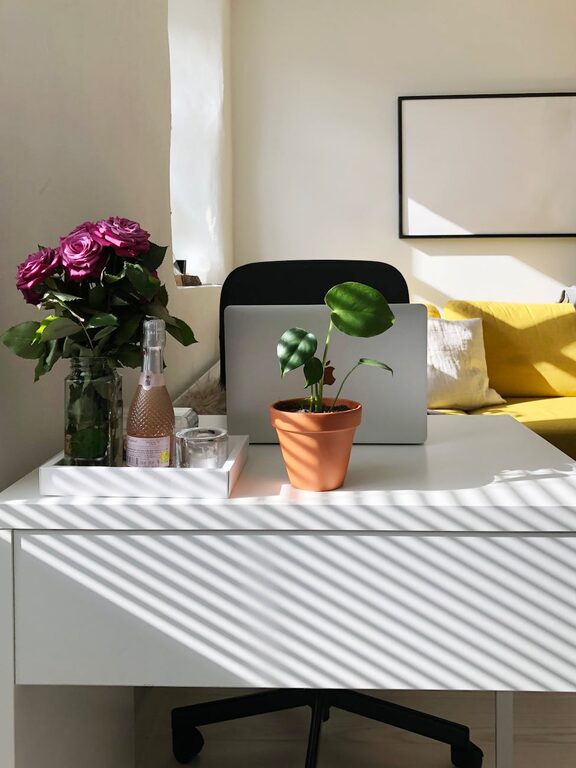
– Natural light: Position your desk near a window to take advantage of daylight, which can enhance mood and reduce eye strain.
– Quiet environment: Choose a space with minimal noise and distractions.
– Space and layout: Ensure you have enough room for your desk, chair, and storage with room to move comfortably.
If space is limited, consider creative solutions like a fold-down desk or a dedicated nook within another room.
2. Invest in Comfort and Ergonomics
Comfort is key to maintaining focus and avoiding physical strain:
– Ergonomic chair: Choose a chair that supports good posture, with adjustable height and lumbar support.
– Proper desk height: Your desk should allow your arms to rest comfortably at a 90-degree angle.
– Monitor and keyboard placement: Position screens at eye level and keep your keyboard and mouse within easy reach.
Adding a footrest or using a standing desk can also enhance comfort during long working hours.
3. Use Warm and Soothing Colors
Color influences mood and productivity. For a cozy and inviting atmosphere, consider:
– Soft neutrals: Shades like beige, cream, and soft gray create a calm background.
– Warm accents: Add touches of warm colors such as soft yellows, muted oranges, or earthy tones for a welcoming feel.
– Avoid harsh contrasts: Extremely bright or intense colors can be distracting or tiring.
You can introduce color through wall paint, furniture, rugs, or decorative accessories.
4. Incorporate Textures and Soft Materials
Adding texture adds depth and softness to your workspace, making it feel more comfortable:
– Rugs: A plush or woven rug can warm up a hardwood or tile floor.
– Cushions and throws: Use cushions on your chair or a nearby seating area.
– Fabric curtains: Soft window treatments help control lighting and add a cozy vibe.
These elements invite you to relax while working and create a more approachable environment.
5. Personalize Your Space
Your home office should reflect your personality and inspire creativity:
– Artwork and photos: Display prints, paintings, or personal photos you love.
– Plants: Indoor plants improve air quality and bring life to your workspace.
– Decorative objects: Choose meaningful items that make you smile or motivate you.
Remember, personalization should enhance focus, so avoid cluttering your desk with too many things.
6. Stay Organized and Clutter-Free
Clutter can make a space feel chaotic and stressful. To keep your office tidy:
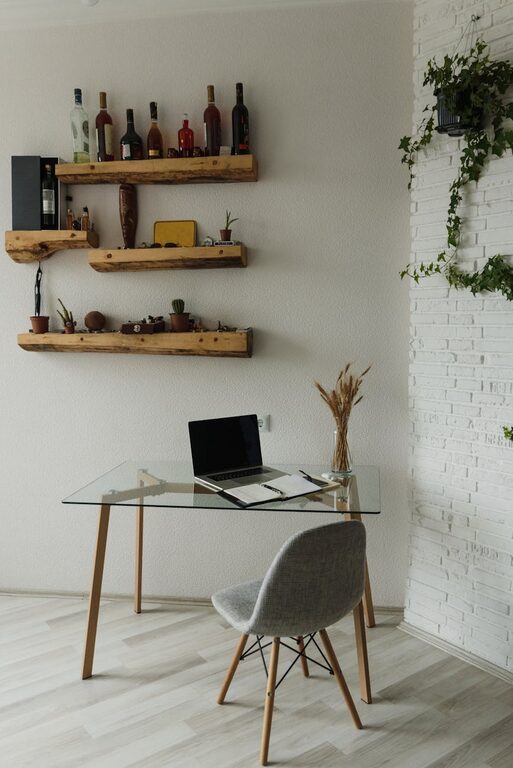
– Storage solutions: Use shelves, drawers, or boxes to keep supplies neatly stored.
– Cable management: Use clips or tubing to organize cords and prevent tangling.
– Daily tidying: Make it a habit to clear your desk at the end of each workday.
A clean and tidy space promotes a clear mind and better concentration.
7. Ensure Good Lighting
In addition to natural light, good artificial lighting is essential:
– Task lighting: Use desk lamps with adjustable brightness for focused work.
– Ambient lighting: Soft overhead lights or floor lamps create a comfortable atmosphere.
– Avoid glare: Position lighting to reduce reflections on your screen.
Dimmable lights can help you adjust the mood depending on the time of day.
8. Add Inspiring Elements
Motivation can be enhanced by the right visual cues:
– Vision boards: Pin goals, quotes, or ideas that inspire you.
– Books and magazines: Keep relevant reading materials nearby to spark creativity.
– Music or sound: Consider a small speaker for background music that helps concentration.
These elements support a productive yet pleasant work environment.
9. Create Zones for Different Activities
If your home office space allows, designate areas for different tasks:
– Work zone: Your main desk for computer work and writing.
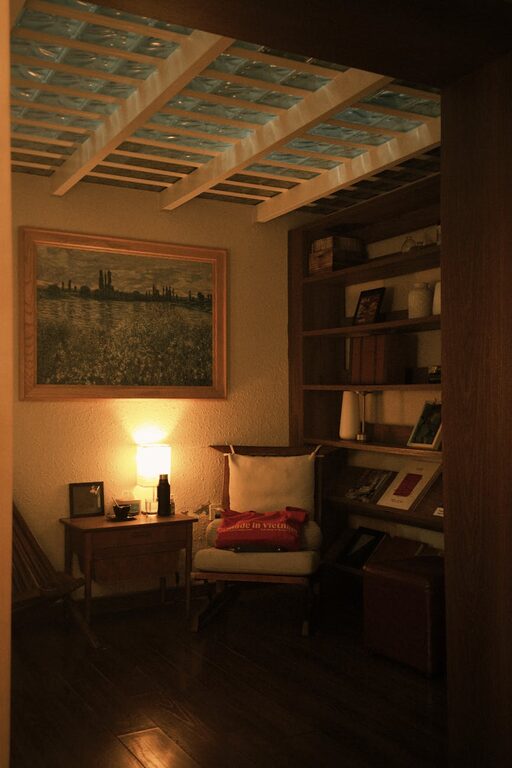
– Reading nook: A comfortable chair with good lighting for reading and brainstorming.
– Creative space: An area for sketching, crafting, or other hands-on activities.
Zoning helps keep your workflow organized and prevents fatigue.
Final Thoughts
Designing a cozy and inviting home office doesn’t mean sacrificing functionality. By balancing comfort, organization, and personal touches, you can create a space where you look forward to working every day. Start with these tips and adapt them to fit your lifestyle, space, and style for the best results. With a little planning and creativity, your home office can become your favorite room in the house.